
In summary:
- Toronto’s best craft beer experiences are found by exploring distinct “neighborhood terroirs,” not just famous names.
- The Junction is a must-visit hub, born from the ashes of a century-long prohibition.
- Planning a crawl involves more than a map; it’s about understanding each brewery’s vibe and signature pours.
- Always have a safe ride plan; Ontario’s strict “warn range” driving laws can instantly suspend your license.
- Save money and get fresher beer by buying directly from brewery bottle shops instead of the LCBO.
So, you want to dive into Toronto’s craft beer scene. The sheer number of options can feel overwhelming. A quick search brings up the same big names, and the common advice is to hit a well-known spot downtown. But what if you’re looking for something more? What if you want to taste the real, authentic character of the city, one neighborhood at a time?
This isn’t just another list of breweries. Think of this as your cicerone-led journey through Toronto’s unique “neighborhood terroirs.” We believe the soul of the city’s craft beer culture isn’t found in a single pint, but in the story behind each brewery and the vibe of the streets they call home. From the rebellious, post-prohibition spirit of the Junction to the trendy, electric buzz of Ossington, the city offers a diverse palette of experiences for every type of beer lover.
We’ll move beyond simply telling you *where* to go and focus on the *why*. You’ll learn how to plan a crawl that’s a narrative, not just a route. We’ll compare iconic spots, decode the atmosphere of different districts, and give you the essential, non-negotiable legal knowledge to ensure your tasting tour is memorable for all the right reasons. Get ready to explore Toronto’s craft beer soul, one tasting flight at a time.
This guide will walk you through the essential spots, tips, and need-to-knows for an unforgettable craft beer adventure in Toronto. Here’s a look at the ground we’ll cover.
Summary: A Cicerone’s Tour of Toronto’s Craft Beer Scene
- Why the Junction Neighborhood Became the Ale Hub of Toronto?
- How to Plan a Self-Guided Brewery Crawl on Keele Street?
- Steam Whistle vs. Amsterdam Brewhouse: Which Waterfront Spot is Better?
- The Drinking and Driving Law That Can Ruin Your Vacation
- How to Buy Cans Directly from the Bottle Shop to Save Money?
- Brickwork vs. Modern Art: Which Dominates the Distillery Atmosphere?
- Cocktail Bar vs. Dive Bar: Which Ossington Vibe Fits Your Group?
- Night Out on Ossington: How to Experience Toronto’s Trendiest Bar Strip?
Why the Junction Neighborhood Became the Ale Hub of Toronto?
To understand the Junction’s status as a craft beer mecca, you have to look back at its history of being famously “dry.” It’s a classic story of rebellion and revitalization. For decades, this part of the city was a dead zone for anyone looking for a drink. An old law, born from the temperance movement, kept the taps turned off long after the rest of Toronto was pouring freely. In fact, an article on the city’s history notes how the Junction remained dry for nearly a century, with prohibition only ending in 1997.
This created a unique vacuum. When the laws finally changed, the neighborhood was a blank slate with affordable industrial real estate, perfect for breweries. It wasn’t a gradual evolution; it was an explosion. Indie Alehouse was a key catalyst, establishing itself as more than just a place to drink. It became a community hub, proving that a brewery could help redefine and energize a neighborhood. This paved the way for others, creating the dense, walkable brewery district we know today.
The result is a “neighborhood terroir” steeped in independence and a touch of defiance. The breweries here aren’t just businesses; they are a celebration of a freedom that was a long time coming. When you sip a flight in the Junction, you’re tasting the end of a 93-year thirst and the start of a craft revolution that put this corner of Toronto on the map.
How to Plan a Self-Guided Brewery Crawl on Keele Street?
Planning a brewery crawl in the Junction is less about a rigid itinerary and more about embracing the spirit of discovery. The core of the action is centered around Keele Street, making it an incredibly walkable and rewarding route. The key is to think of it as a narrative tasting experience rather than just a checklist. Start with a foundational style and build your way to more complex or experimental brews as you move from one spot to the next.
For a seamless experience, consider a Toronto Brew Pass, which offers a tasting or flight at multiple breweries for a single price. Here’s a solid game plan for a self-guided tour:
- Start with a Classic: Begin at Junction Craft Beverage, housed in a stunning 1930s Art Deco building. Their diverse flight options provide a great baseline for your palate.
- Walk to the Innovator: A short stroll takes you to Rainhard Brewing. This is where you can dive into something more hop-forward, like their iconic Armed ‘N Citra, or explore their latest seasonal creations.
- Seek out the Specialists: From there, you have options. People’s Pint Brewing Collective offers a constantly rotating tap list from various independent brewers, while Shacklands Brewing Co. focuses almost exclusively on Belgian-style ales.
- Pace and Hydrate: The goal is to taste, not to get wasted. A flight at each spot is plenty. Drink water between breweries and grab a bite from one of the local eateries along the way.
This approach transforms your crawl from a pub crawl into a curated exploration. You’re not just drinking; you’re experiencing the range and creativity that makes the Junction a top-tier beer destination.
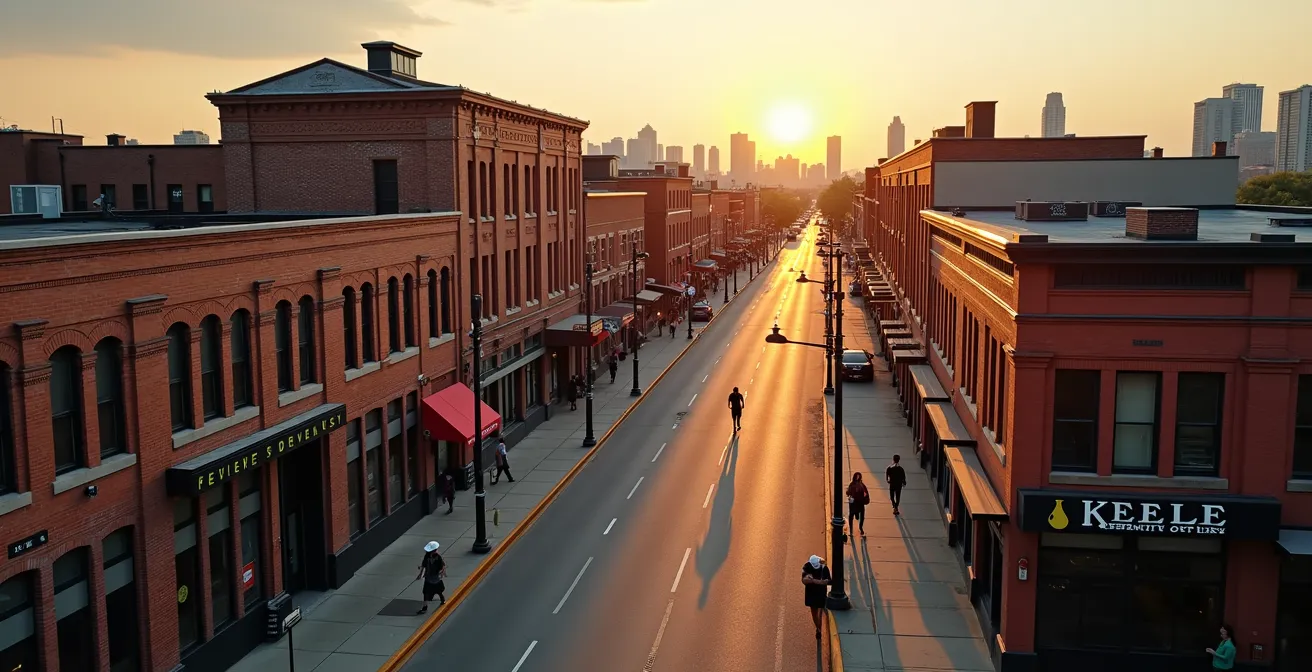
As you wander between these industrial-chic converted warehouses, you get a real sense of the neighborhood’s transformation. The key is to stay flexible and let your curiosity lead the way.
Steam Whistle vs. Amsterdam Brewhouse: Which Waterfront Spot is Better?
When you head to Toronto’s waterfront, two names dominate the beer conversation: Steam Whistle and Amsterdam Brewhouse. While both offer fantastic beer and prime locations, they deliver fundamentally different experiences. Choosing between them comes down to a “vibe check”: are you looking for the iconic tourist snapshot or the relaxed local’s hangout? It’s not about which is “better,” but which is better *for you*.
Steam Whistle is pure Toronto postcard. Housed in the historic John Street Roundhouse with the CN Tower looming overhead, it’s an experience. They are masters of one thing: their signature Pilsner. The main draw here is trying the unfiltered version, available only at the brewery tap. It’s a crisp, clean, and flawless execution of the style. The tour is slick, the energy is high, and you’re surrounded by fellow visitors soaking in a quintessential Toronto moment.
Amsterdam Brewhouse, on the other hand, is where locals take their out-of-town friends to show off the city’s relaxed side. It’s a sprawling space right on the harbourfront with an unbeatable patio and lake views. The focus here is variety. Their tasting flights are a journey through diverse styles, from hoppy IPAs to rich seasonal stouts. The atmosphere is more laid-back, the food menu is extensive, and it’s a place you can settle into for an entire afternoon.
This side-by-side comparison from a recent Destination Toronto guide breaks it down perfectly:
| Feature | Steam Whistle | Amsterdam Brewhouse |
|---|---|---|
| Location | John Street Roundhouse (historic railway building) | Harbourfront with lake views |
| Beer Focus | Single pilsner perfection – unfiltered version exclusive to tap | Diverse seasonal flight options |
| Atmosphere | Toronto Postcard experience near CN Tower | Relaxed local’s patio with sprawling space |
| Best For | First-time Toronto visitors wanting iconic experience | Extended dining with wider menu options |
The Drinking and Driving Law That Can Ruin Your Vacation
Enjoying Toronto’s craft beer scene is a must, but doing it safely is non-negotiable. Many visitors, and even some locals, are unaware of Ontario’s strict laws regarding drinking and driving, specifically the “warn range” penalty. This isn’t about being over the criminal limit of 0.08% Blood Alcohol Concentration (BAC); this is about the grey area that can still have severe, immediate consequences that will absolutely ruin a brewery tour or vacation.
In Ontario, if you are pulled over and blow between 0.05% and 0.079% BAC, you are in the “warn range.” While not a criminal offence, the penalties are immediate and administrative. As of recent changes, a first-time offence results in a 7-day licence suspension on the spot. For a visitor, this could mean the end of your rental car agreement and a major disruption to your plans. For novice drivers with G1, G2, M1, or M2 licenses, the law is even stricter: there is a zero-tolerance policy, meaning a 0.00% BAC is required at all times.
There is absolutely no reason to risk it. Toronto has numerous safe, reliable, and convenient alternatives to get you home after a day of tasting flights. Planning your ride home should be the first step in planning your crawl.
Your Safe Ride Home Plan: A 5-Step Checklist
- Identify Your Channels: Before you even leave, have your transport apps (Uber, Lyft) ready. Know the location of the nearest subway or streetcar stop. Note down the number for a designated driver service.
- Inventory Your Options: Remember the TTC’s Blue Night Network for late-night bus service across the city. Be prepared for potential surge pricing on rideshare apps, especially on weekends in brewery districts.
- Check for Coherence: Does your plan match your end point? If you finish in the Junction, know that the subway is a bus ride away. If you’re on Ossington, the streetcar is right at your doorstep.
- Assess the Situation: Don’t try to “guess” if you’re okay to drive. After even one or two tasting flights, your BAC can easily enter the warn range. The only safe number is zero.
- Execute the Plan: Stick to the plan. The cost of an Uber or TTC fare is insignificant compared to the cost, hassle, and danger of a warn range suspension or worse.
How to Buy Cans Directly from the Bottle Shop to Save Money?
One of the best parts of exploring Toronto’s breweries is taking a piece of the experience home with you. While you can find many local craft beers at the LCBO (the government-run liquor stores), the savvy move is always to buy directly from the brewery’s own bottle shop. This isn’t just about supporting local business—it’s about getting better beer for less money.
The reasoning is simple economics. When a brewery sells its beer through the LCBO, a significant markup is added to the price. By cutting out the middleman and purchasing straight from the source, breweries can offer their products at a more competitive price point. You’re not paying for layers of distribution and retail overhead. According to the President of Ontario Craft Brewers, this direct-to-consumer model is a huge driver, with breweries welcoming over 5 million visitors a year, many of whom buy direct to get fresher products and avoid those markups.
Beyond the savings, there are two other massive advantages: freshness and variety. Beer, especially hop-forward styles like IPAs, is best consumed fresh. The cans you buy at a brewery bottle shop have often been packaged just days or even hours before, ensuring you get the full, vibrant flavor the brewer intended. You’ll also find brewery-exclusive releases, experimental batches, and seasonal offerings that never make it to the LCBO shelves. It’s your ticket to tasting the most creative and interesting beers the city has to offer.
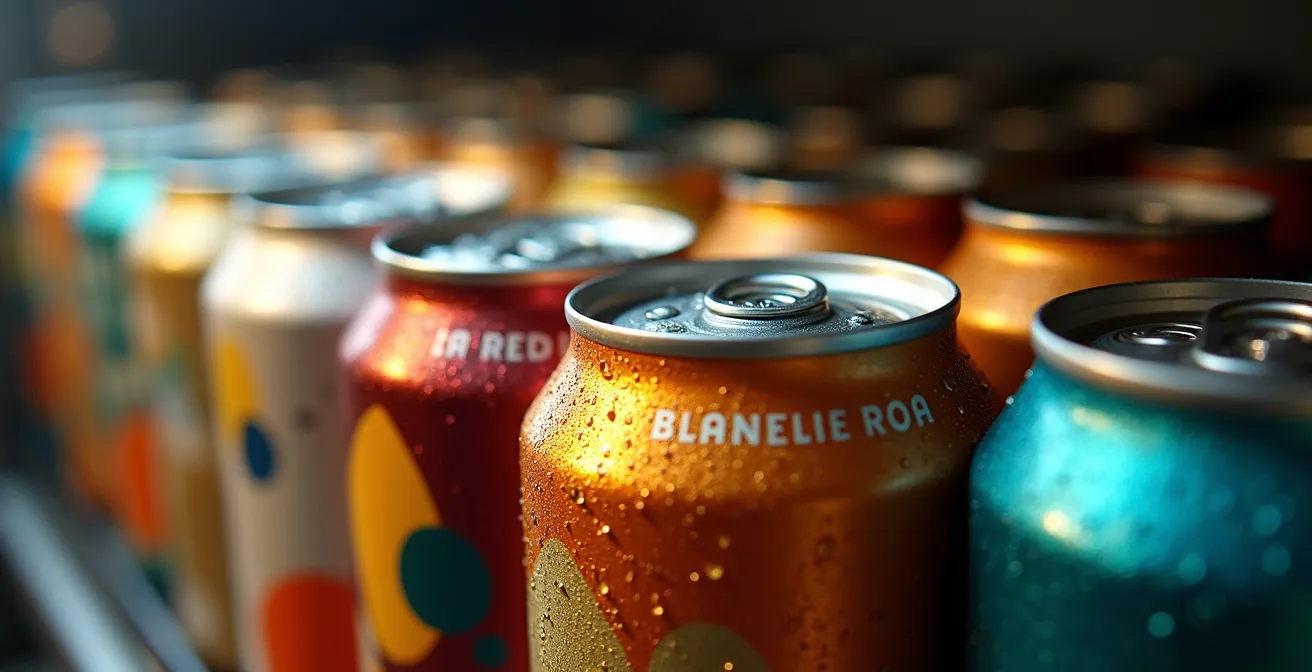
So, as you finish your tasting flight, always make a stop at the fridge. Chat with the staff, ask what’s fresh and what’s unique, and stock up. Your wallet and your palate will thank you.
Brickwork vs. Modern Art: Which Dominates the Distillery Atmosphere?
The Distillery Historic District offers a completely different “neighborhood terroir” from the industrial-chic Junction or the trendy Ossington strip. Here, the experience is defined by a fascinating tension between preserved Victorian industrial architecture and a vibrant, modern arts scene. The question isn’t whether brickwork or art dominates, but how they work together to create an atmosphere that is both historic and contemporary.
The dominant feeling is one of stepping back in time. The cobblestone streets and impeccably preserved red-brick buildings of the former Gooderham & Worts Distillery create an immersive, almost theatrical setting. It feels a world away from the downtown core just blocks away. This heritage is the canvas. Many businesses, including the breweries, lean into this historic character. As Jordan St. John notes for Destination Toronto, a spot like Old Flame is located in the restored district where their set tasting flight lets you sample all their flagship lagers, connecting the classic beer styles to the classic architecture.
However, this historic canvas is punctuated by bold strokes of modernity. The district is filled with public art installations, galleries, and performance spaces. This blend is what gives the Distillery its unique energy. A great example of this is the preservation of “ghost signs”—faded, hand-painted advertisements from a bygone era—on the exterior walls of these old buildings. As a local heritage group explains, one brewery even released a beer to honor the area’s prohibition history and ghost signs, directly linking their modern product to the building’s past. The experience is an atmospheric pairing of old and new, where you can sip a modern craft beer while admiring 150-year-old brickwork and a contemporary sculpture simultaneously.
Cocktail Bar vs. Dive Bar: Which Ossington Vibe Fits Your Group?
After a day exploring breweries, you might want to switch gears for the evening. Ossington Avenue is Toronto’s undisputed champion of the night out, but its magic lies in its diversity. The strip offers a spectrum of vibes, from sophisticated cocktail lounges to loud, no-frills dive bars. The key to a great night on Ossington is doing a pre-emptive “vibe check” to match the bar to your group’s mood, budget, and energy level.
Are you a small group looking for intimate conversation and expertly crafted drinks? The cocktail bar is your destination. These spots are typically more upscale, with meticulous decor, complex drink menus, and a price point to match (often $20+ per cocktail). Reservations are often essential, especially on weekends. The atmosphere is generally more subdued, designed for savoring the craft of mixology.
On the other end of the spectrum is the classic dive bar. If your group is larger, on a tighter budget, or just wants to let loose with some loud music and cheap pints, this is your haven. Spots like Sweaty Betty’s are legendary for their unpretentious, anything-goes atmosphere. Walk-ins are the norm, the energy is high, and the focus is on fun, not finesse. It’s the perfect environment for a spontaneous, high-energy night out.
And of course, there’s a happy middle ground. Craft beer bars like the Bellwoods Brewery taproom (just off the main strip) or Reposado Bar & Lounge offer a trendy but casual setting that can accommodate medium-sized groups and a mix of preferences. This table provides a quick guide to navigating the scene:
| Aspect | Cocktail Bars | Dive Bars | Craft Beer Middle Ground |
|---|---|---|---|
| Price Range | $20+ per drink | $8-10 per pint | $12-15 craft pints |
| Atmosphere | Upscale, reservations needed | Walk-ins, loud music | Trendy but casual |
| Best Example | Upscale lounges | Sweaty Betty’s | Bellwoods Brewery taproom |
| Group Size | Small groups (2-4) | Any size welcome | Medium groups work well |
Key takeaways
- Toronto’s craft beer scene is best understood through its distinct neighborhoods, each with a unique history and vibe.
- Planning is key, not just for your route but for your ride home, as Ontario’s driving laws are strict.
- Buying beer direct from brewery bottle shops is the best way to ensure freshness and save money.
Night Out on Ossington: How to Experience Toronto’s Trendiest Bar Strip?
Experiencing Ossington isn’t just about picking a bar; it’s about navigating the flow and energy of the entire strip. This is where Toronto’s nightlife pulse beats strongest, and having a strategy can be the difference between a fantastic night and a frustrating one spent waiting in line. The growth has been explosive; where there were only a handful of bars pouring local craft beer a decade ago, there are now hundreds, creating a vibrant but competitive scene.
The most crucial piece of advice is about timing. If you’re heading to Ossington on a Friday or Saturday, arrive before 9 PM. The street’s popularity means that notorious lineups begin to form early at the most sought-after spots. An early start allows you to snag a table at a popular cocktail bar or get into a bustling dive before the main rush hits. This simple tactic can completely change the trajectory of your evening.
Once you’re there, don’t be afraid to wander. While the main strip is packed with incredible options, the adjacent streets like Dovercourt and Shaw host hidden gems that are equally trendy but often less crowded. A great strategy is to start on the main strip and then pivot to a side street if the crowds become too much. Also, use technology to your advantage: reservation apps are your best friend for cocktail bars, while most dives and casual spots are walk-in friendly. End your night like a true Torontonian at one of the many late-night pizza-by-the-slice joints or 24-hour diners for that essential post-bar snack. A successful night on Ossington is about being strategic, flexible, and ready to explore.
Now that you’re equipped with the knowledge to explore Toronto’s diverse drinking terroirs, from historic breweries to trendy bars, the final step is to put it all into practice. Craft your own tasting narrative, explore responsibly, and discover the unique flavors the city has to offer. Your ultimate Toronto craft beer adventure starts now.
Frequently Asked Questions about Craft Beer in Toronto
Do most Toronto breweries offer tasting flights?
Yes, almost all craft breweries in Toronto offer tasting flights. It’s a cornerstone of the craft beer experience, allowing customers to sample a range of 4-6 different beers in smaller-sized glasses (typically 4-5 oz). It’s the best way to explore a brewery’s lineup without committing to a full pint of each.
Are children allowed in Toronto breweries?
Generally, yes. Most Toronto breweries operate with a “brewpub” license, which means they function more like restaurants. Children are typically welcome, especially during the day and early evening, as long as they are accompanied by an adult. However, some smaller taprooms or venues late at night may have a 19+ age policy, so it’s always a good idea to check the specific brewery’s website or call ahead if you plan to bring your family.