Culture & Festivals
Toronto stands as one of North America’s most culturally diverse cities, where world-class museums share the spotlight with vibrant street art, Indigenous galleries showcase millennia-old traditions, and internationally renowned festivals transform entire neighborhoods. For visitors and newcomers alike, the sheer breadth of cultural offerings can feel overwhelming—from the architectural marvel of the Royal Ontario Museum to the pulsating energy of Caribana’s Grand Parade, from intimate theater productions to sprawling heritage celebrations across dozens of ethnic enclaves.
Understanding how to navigate this cultural landscape effectively requires more than just a list of attractions. It demands insight into timing your visits, respecting cultural protocols, distinguishing authentic experiences from tourist traps, and making strategic choices that align with your interests and budget. This comprehensive overview connects the essential elements of Toronto’s cultural scene, providing the foundation you need to engage meaningfully with the city’s museums, festivals, artistic communities, and performing arts venues.
Experiencing World-Class Museums and Cultural Institutions
Toronto’s museum landscape offers everything from natural history collections spanning millions of years to contemporary art installations that challenge conventional perspectives. The Royal Ontario Museum (ROM) alone houses over six million objects, making strategic navigation essential for a rewarding visit rather than an exhausting marathon.
Planning Your Museum Visit Strategically
Museum fatigue is real—studies show that visitor attention and retention drop significantly after approximately 90 minutes of continuous viewing. Rather than attempting to see everything, successful museum-goers identify their primary interests beforehand. Are you fascinated by the Burgess Shale fossils that revolutionized our understanding of Cambrian life? Do the bat cave dioramas intrigue or unsettle you? Acknowledging your preferences, including any aversions to certain exhibit types, helps you craft a personalized route through vast collections.
Timing significantly impacts both your experience and your wallet. Many institutions offer discounted admission during specific windows—typically weekday afternoons or the final hours before closing. These periods also tend to be quieter, allowing for contemplative viewing without crowds obscuring displays or creating bottlenecks in popular galleries.
Maximizing Specialized Collections
For enthusiasts with specific passions—whether paleontology, textiles, or armor—Toronto’s museums house remarkable specimens that deserve focused attention. The ROM’s dinosaur galleries, for example, include the only Futalognkosaurus specimen on public display in Canada, a South American giant that represents a relatively rare prehistoric era compared to the familiar Jurassic and Cretaceous periods.
Technology can enhance these specialized visits considerably. Many institutions now offer apps with augmented reality features, detailed object histories, and expert commentary that transforms a static display into an interactive learning experience. However, the most meaningful engagement often comes from simply spending extended time with a single masterpiece or specimen that captivates you, rather than rushing through entire wings.
Appreciating and Supporting Indigenous Art Ethically
Toronto hosts one of the largest urban Indigenous populations in Canada, representing First Nations, Métis, and Inuit communities from across the country. This cultural presence manifests in numerous galleries, markets, and public art installations—but navigating this landscape responsibly requires understanding authenticity, cultural protocols, and how to support communities meaningfully.
Understanding Authenticity and Cultural Significance
Authentic Indigenous art is created by individuals with verifiable Indigenous heritage, often carrying cultural knowledge passed through generations. This distinction matters both ethically and legally—purchasing counterfeit Indigenous art not only appropriates cultural heritage but potentially violates the Indian Act provisions designed to protect Indigenous cultural property.
Reputable galleries provide clear information about each artist’s background, community affiliation, and the cultural context of their work. Establishments like the Feheley Fine Arts gallery or the Indigenous Arts Collective at Harbourfront Centre maintain rigorous authentication standards and direct relationships with artists, ensuring that purchases genuinely support Indigenous creators rather than exploitative intermediaries.
Navigating Artistic Styles and Cultural Protocols
Indigenous artistic traditions vary dramatically across nations and regions. The formline design principles of Pacific Northwest Coast art differ entirely from Woodland-style birch bark biting or Inuit soapstone carving. Taking time to learn these distinctions demonstrates respect and helps you identify work that genuinely resonates with you rather than purchasing based on stereotypical assumptions about what “Indigenous art” should look like.
Supporting the community extends beyond individual purchases. Attending artist talks, participating in workshops where culturally appropriate, and engaging with Indigenous-led cultural centers like the Native Canadian Centre of Toronto contribute to community sustainability and your own deeper understanding. Always ask permission before photographing art or artists, and respect any protocols around sacred or ceremonial imagery.
Navigating Toronto’s Dynamic Street Art Scene
The Queen West neighborhood and adjacent areas like Graffiti Alley have transformed Toronto into an internationally recognized street art destination, where massive murals and intricate tags create an ever-evolving outdoor gallery. However, engaging with this scene effectively requires understanding both the legal landscape and safety considerations.
Creating a Self-Guided Street Art Experience
Unlike museum collections with fixed locations, street art constantly changes—new pieces appear overnight while others fade or get painted over. Famous spots like Graffiti Alley (Rush Lane, between Spadina and Portland) maintain relatively stable large-scale murals commissioned by property owners, making them reliable destinations. However, some of the most compelling work appears in less-traveled areas where artists test experimental techniques or respond to current events.
Photographing street art occupies a legal gray area. The artwork itself may be copyrighted by the artist, while the wall surface belongs to the property owner. For personal, non-commercial photography, this rarely poses problems, but commercial use requires permissions. More importantly, personal safety should guide your exploration—stick to well-trafficked areas during daylight hours, remain aware of your surroundings, and avoid trespassing on private property or active construction sites to capture a particular piece.
Engaging Respectfully with the Creator Community
Street artists often work during evening hours or early mornings when foot traffic is minimal. If you encounter artists at work, respectful engagement means asking permission before photographing them or their in-progress work, not touching wet paint or disrupting their process, and recognizing that some prefer anonymity while others welcome conversation. Many street artists maintain social media profiles where they document their work and share the stories behind specific pieces—following these accounts deepens your appreciation and helps you discover new work as it appears.
Tracing Toronto’s Multicultural Heritage
More than half of Toronto’s residents were born outside Canada, representing over 200 distinct ethnic origins. This demographic reality has created vibrant cultural enclaves throughout the city, each maintaining distinct traditions, culinary practices, and community institutions that welcome curious visitors.
Understanding Ethnic Neighborhoods Beyond Stereotypes
Chinatown, Little Italy, Greektown, Little India, Koreatown, and numerous other neighborhoods offer authentic cultural experiences—but approaching them as living communities rather than theme parks is essential. Residents live, work, and raise families in these areas; they’re not performing culture for tourist consumption. Respectful engagement means patronizing local businesses, learning basic greetings in the community’s primary language, and avoiding behavior that treats residents as exotic curiosities.
Demographic shifts constantly reshape these neighborhoods. The original Chinatown on Dundas Street West now coexists with newer Chinese commercial areas in Markham and Scarborough, reflecting evolving migration patterns and generational changes. Understanding these dynamics provides insight into how immigrant communities establish themselves, evolve, and contribute to Toronto’s broader cultural fabric.
Participating Meaningfully in Heritage Events
Throughout the year, community organizations host heritage festivals, cultural celebrations, and commemorative events that welcome broader participation. The Greek Orthodox community’s grape-stomping at Taste of the Danforth, the elaborate costumes of Eid celebrations, the solemn remembrance of the Holodomor memorial service—these events offer profound opportunities to learn about communities’ histories, values, and contemporary concerns when approached with genuine interest and cultural humility.
Many heritage events include educational components specifically designed for those outside the community: cooking demonstrations, traditional craft workshops, historical presentations, and cultural performances with explanatory context. Seeking out these offerings demonstrates respect for the community’s knowledge and provides frameworks for understanding what you’re witnessing.
Planning Around Toronto’s Major Festivals and Events
Toronto’s festival calendar includes internationally significant events that transform the city’s rhythm, infrastructure, and accommodation availability. The Toronto International Film Festival (TIFF), Pride Toronto, Caribana, and other major festivals attract hundreds of thousands of participants and create both opportunities and logistical challenges.
Navigating Accommodation and Infrastructure Impacts
During peak events, hotel rates can double or triple compared to off-peak periods, with downtown properties booking solid months in advance. Understanding the specific geography of each event helps you make strategic accommodation choices—Pride festivities concentrate along Church Street and in the Village, while TIFF venues cluster in the Entertainment District and around King Street West. Staying near your primary event of interest minimizes transportation hassles, particularly when road closures disrupt normal transit patterns.
Major festivals inevitably involve street closures, modified transit routes, and pedestrian-priority zones. Checking official event maps before arrival and building extra travel time into your schedule prevents frustration. During Caribana weekend, for example, the Lakeshore Boulevard closure for the Grand Parade route affects access to a significant portion of the waterfront for several hours.
Accessing Event-Specific Experiences
Each major festival offers multiple participation levels, from free public programming to premium exclusive experiences. TIFF sells various ticket packages—individual screening tickets, day passes, premium packages with priority access—each suited to different budgets and commitment levels. Securing access to high-demand premieres or parties requires booking far in advance and often involves substantial expense, but public events like the Festival Street programming provide genuine festival atmosphere without financial barriers.
Caribana similarly ranges from free street performances and the Grand Parade viewing to paid masquerade band participation, where you wear elaborate costumes and join the parade itself. Understanding these options helps you choose experiences aligned with your interests, physical stamina (the Grand Parade route exceeds three kilometers in intense summer heat), and desired level of immersion versus observation.
Accessing Toronto’s Thriving Theater Scene
The Entertainment District concentrates world-class theater venues within a walkable area, hosting everything from Broadway productions to experimental performances, classical repertory to contemporary Canadian premieres. Navigating this abundance effectively requires understanding venue differences, ticket strategies, and theater etiquette expectations.
Understanding Venue Selection and Genre Choices
Toronto’s theater landscape includes large commercial houses like the Princess of Wales Theatre and Royal Alexandra Theatre presenting major musicals and touring productions, mid-sized venues like the Elgin and Winter Garden Theatre Centre offering varied programming, and intimate spaces like Tarragon Theatre or Factory Theatre focusing on new Canadian work. Each venue type creates distinct audience experiences—the spectacle of a full orchestra and elaborate sets in a 2,000-seat theater differs fundamentally from the immediacy of watching actors perform mere feet away in a 200-seat black box.
Genre choice significantly impacts your experience. Musical theater demands different engagement than experimental drama or classical Shakespeare. Understanding your own preferences—do you want escapist entertainment, intellectual challenge, emotional catharsis, or cultural insight?—guides you toward productions that satisfy rather than disappoint.
Insider Strategies for Theater-Goers
The rush seat system offers significant savings for flexible attendees. Many theaters release a limited number of discounted tickets on performance days, either in-person at the box office or through digital platforms. These seats may have obstructed views or require standing in queues, but they make professional theater accessible at a fraction of standard prices.
Show timing affects both availability and atmosphere. Weeknight performances typically sell fewer tickets than weekend shows, potentially offering better seat selection and a more relaxed environment. Matinee performances attract different demographics than evening shows—sometimes enhancing, sometimes diminishing the collective energy that makes live theater unique. Theater etiquette in Toronto generally follows international standards: arrive early, silence devices completely, unwrap candies before curtain, avoid talking or checking phones during performance, and reserve standing ovations for genuinely exceptional work rather than routine politeness.
Toronto’s cultural landscape rewards both spontaneous exploration and careful planning, casual sampling and deep immersion. Whether you’re drawn to ancient fossils, contemporary street art, pulsating festival energy, or the hushed anticipation before curtain rise, understanding how to navigate the city’s offerings transforms passive tourism into meaningful cultural engagement that enriches both visitors and the communities they encounter.
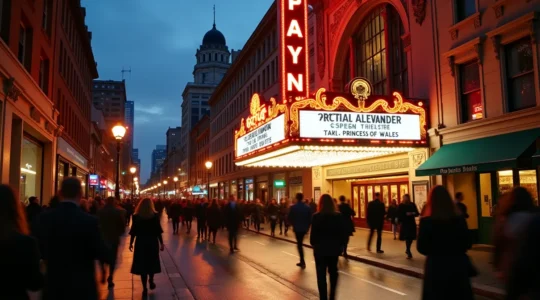
Theatre Night in Toronto: How to Score Discount Tickets for Mirvish Productions?
In summary: Master the 9 AM digital rush for last-minute deals, but be aware of the $5 online service fee per ticket. Choose your theatre wisely: the modern Princess of Wales offers superior legroom, while the historic Royal Alexandra provides…
Read more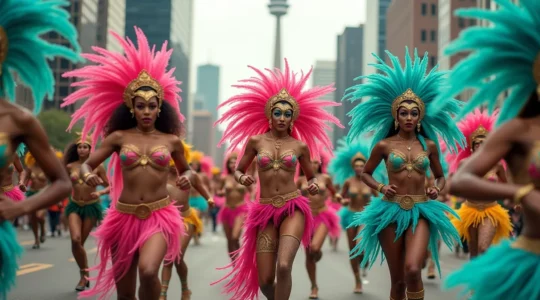
Toronto Caribbean Carnival: How to Experience the Grand Parade Like a Local
Watching the Grand Parade from the sidewalk means you’re missing the entire point; the real festival happens on “The Road.” Joining a “mas band” is the only way to transform from a spectator into an active participant in the celebration….
Read more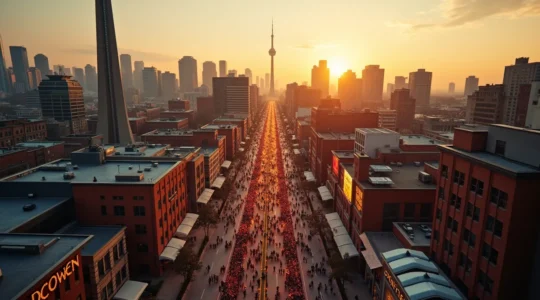
Toronto’s Festival Season: A Strategic Guide to Planning Your Trip
Toronto’s festival logistics aren’t an obstacle; they’re a solvable puzzle. The key is to trade a pricey downtown hotel for strategic transit access. Outsmart price surges by staying in commuter-friendly neighborhoods and using the TTC/GO Transit system like a local….
Read more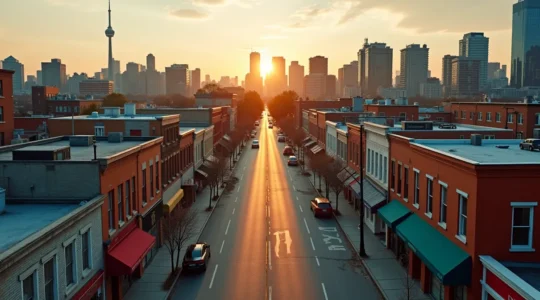
Toronto’s Cultural History: How Immigration Waves Shaped Current Neighborhood Identities?
Contrary to the postcard image, Toronto’s “ethnic” neighborhoods are not static museums but are in a constant state of evolution, driven by the socio-economic journeys of their residents. The location and character of cultural enclaves like Little Italy and Chinatown…
Read more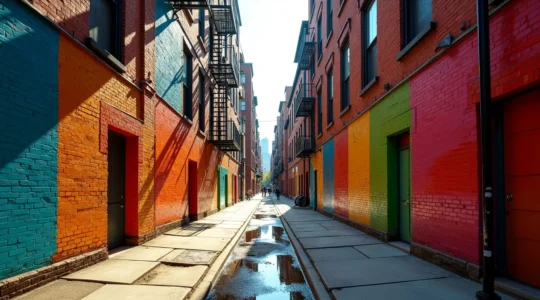
Exploring Graffiti Alley: How to Find the Most Photogenic Murals in Queen West?
In summary: Graffiti Alley is a legal street art hub in Toronto thanks to a 2011 municipal designation, distinguishing its art from vandalism. For the best photos, plan a walk during the “golden hour” starting at Spadina Ave and heading…
Read more
Dinosaur Hunting at the ROM: Which Fossil Exhibits Will Impress Your Kids the Most?
Taking a dinosaur-obsessed child to the Royal Ontario Museum can feel more like a high-stakes paleontological exam than a family day out. Focus on “star” specimens with incredible stories, like the massive Barosaurus, “Gordo.” Use the ROM’s augmented reality features…
Read more
Indigenous Art in Toronto: A Guide to Buying Authentic Works from First Nations Artists
The key to buying authentic Indigenous art isn’t spotting fakes, but practicing ethical, relational due diligence. Authenticity is tied to a specific artist and their Nation, not a generic “Made in Canada” label. Ethical purchasing directly supports Indigenous economic sovereignty…
Read more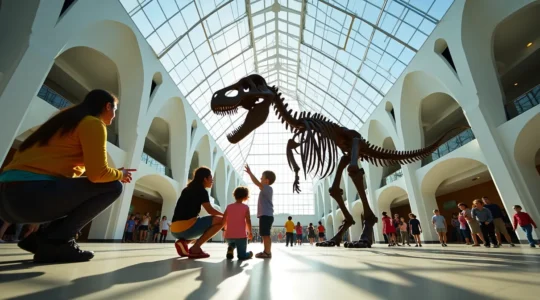
Royal Ontario Museum for Families: How to Navigate 40 Galleries in One Day?
The secret to a successful family trip to the ROM isn’t trying to see everything; it’s managing your family’s “energy budget” with a strategic plan. Prioritize a “greatest hits” tour focusing on high-impact exhibits like the dinosaurs to maximize engagement…
Read more