Neighborhoods & Atmospheres
Toronto’s identity isn’t defined by a single downtown core or unified aesthetic—it’s a patchwork of remarkably distinct neighborhoods, each with its own rhythm, visual character, and cultural DNA. From the Victorian mansions of Yorkville to the graffiti-adorned alleyways of Kensington Market, from the car-free serenity of the Toronto Islands to the glittering skyline viewpoints along the waterfront, understanding these atmospheric differences transforms a surface-level visit into an authentic urban experience. The city reveals itself not through monuments or landmarks alone, but through the lived texture of its communities.
For visitors and newcomers alike, navigating this diversity can feel overwhelming. Which neighborhood matches your personality? When should you visit to catch the best atmosphere? How do you access hidden gems without a car? This comprehensive resource examines Toronto’s most distinctive atmospheres—their character, practical logistics, and cultural nuances—to help you confidently choose where to spend your time and energy in Canada’s largest metropolis.
Understanding Toronto’s Neighborhood Character and Personality
Toronto’s neighborhoods function almost like independent villages, each cultivating a distinct identity that attracts specific demographics and visitor types. Choosing where to explore isn’t merely about proximity to attractions—it’s about matching your personal preferences to the local vibe, whether you’re seeking tranquility, creative energy, luxury retail, or family-friendly activities.
The city’s fundamental geographic division follows an east-west axis rather than the typical north-south pattern of many North American cities. Western neighborhoods generally skew more affluent and polished, with established institutions and manicured streetscapes. Eastern areas tend toward greater cultural diversity, experimental art scenes, and more accessible price points. This isn’t a rigid rule—exceptions abound—but it provides a useful mental framework for first-time visitors planning their itinerary.
Transit accessibility plays a crucial role in neighborhood exploration. Toronto’s TTC subway and streetcar network makes car-free exploration not just possible but preferable in many areas. The Bloor-Danforth line connects eastern and western neighborhoods efficiently, while streetcar routes like the 501 Queen or 510 Spadina provide ground-level perspectives that underground transit cannot offer. Planning your route around transit nodes allows spontaneous detours and eliminates parking frustrations in densely packed districts.
Consider timing your visits to align with each neighborhood’s peak energy. Some areas, like the Entertainment District, come alive after dark with theater crowds and nightlife. Others, such as residential pockets along Queen East, shine during weekend farmer’s markets and brunch hours. Understanding these rhythms prevents disappointment and maximizes atmospheric immersion.
Iconic Shopping Districts: From Luxury to Bohemian
Yorkville’s Victorian Elegance and High-End Appeal
Yorkville represents Toronto’s most concentrated display of luxury retail and architectural prestige. Once a bohemian enclave in the 1960s, the neighborhood underwent dramatic gentrification to become the city’s premier destination for designer boutiques, Michelin-worthy restaurants, and real estate that regularly breaks Canadian price records. The preserved Victorian and Edwardian buildings along Yorkville Avenue and Scollard Street create a European-influenced streetscape rare in Toronto’s typically modern skyline.
The shopping experience here differs fundamentally from typical North American malls. Flagship stores for international luxury brands occupy street-level heritage buildings, while the underground PATH system connects climate-controlled shopping corridors. Hidden courtyards like Yorkville Park and Village of Yorkville offer respite between boutiques, rewarding explorers who venture beyond the main thoroughfares.
Budget management becomes essential here—casual window shopping can quickly evolve into significant expenditure. The neighborhood’s café culture allows you to absorb the atmosphere without committing to major purchases. Celebrity sightings during the Toronto International Film Festival transform Yorkville into a temporary paparazzi zone, offering a completely different energy than typical weekday afternoons when the area caters to local professionals and international shoppers.
Kensington Market’s Eclectic Vintage Scene
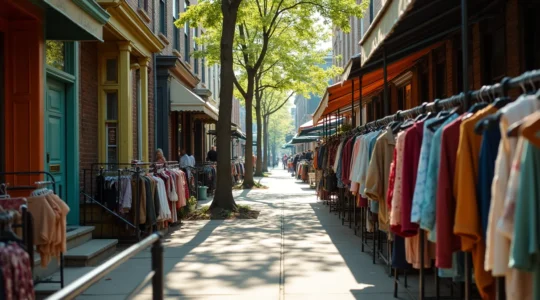
If Yorkville represents Toronto’s polished face, Kensington Market embodies its creative, unfiltered soul. This pedestrian-friendly neighborhood operates as a living museum of counterculture, where vintage clothing stores, Caribbean roti shops, Mexican grocers, and vegan cafés coexist in cheerful chaos. The area’s protected heritage status prevents the chain-store homogenization that has transformed many urban neighborhoods.
The vintage and thrift shopping scene here demands a different skill set than conventional retail. Prices often lack tags, making negotiation both expected and culturally appropriate. Asking “What’s your best price?” isn’t rude—it’s part of the social fabric. Quality varies dramatically between shops: some curate carefully authenticated vintage pieces, while others function as glorified garage sales. Learning to distinguish authentic finds from overpriced tourist traps requires patience and multiple visits.
Local buskers and street musicians provide the neighborhood’s soundtrack, particularly along Augusta Avenue and Kensington Avenue. Supporting these artists—whether through tips or simply pausing to listen—contributes to the ecosystem that keeps the area vibrant. The pedestrian-first culture means cars navigate slowly around meandering shoppers, cyclists, and the occasional film crew using the photogenic streets as a backdrop.
Capturing Toronto’s Skyline: Vantage Points and Photography
Toronto’s skyline, dominated by the CN Tower and clusters of waterfront condominiums, has become one of Canada’s most photographed urban profiles. Yet capturing a compelling image requires more than pointing a camera at the obvious landmarks—it demands strategic positioning, timing, and often creative problem-solving to reach the best vantage points.
The most dramatic viewpoints exist across the harbor on the Toronto Islands or along the Scarborough Bluffs, providing sufficient distance to frame the entire cityscape. Closer perspectives from Riverdale Park East or Polson Pier emphasize different architectural elements and foreground details. Each location offers trade-offs between accessibility, crowd levels, and compositional possibilities.
Lighting conditions dramatically affect skyline photography. The golden hour before sunset bathes the glass towers in warm tones while providing enough ambient light for detail, transitioning into the blue hour when building lights create contrast against deepening skies. Midday harsh light flattens the scene, while overcast conditions can provide moody atmospheres if clouds break interestingly. Weather near Lake Ontario changes rapidly—the same lake effect that moderates temperatures also generates fog, sudden wind shifts, and dramatic cloud formations that can enhance or ruin planned shots.
Accessing remote viewpoints without a car requires planning. The Billy Bishop Airport tunnel provides pedestrian access to the Island ferry terminal, while the eastern beaches and Leslie Street Spit are reachable via transit and bicycle. Night photography introduces additional technical challenges: stabilizing equipment against wind, managing longer exposures, and timing visits to coincide with interesting foreground elements like passing boats or illuminated waterfront paths.
Car-Free Sanctuaries Within the Urban Landscape
Toronto Islands as a Family-Friendly Escape
The Toronto Islands archipelago functions as the city’s most accessible nature retreat, located just a 15-minute ferry ride from downtown yet maintaining a completely car-free environment. This vehicle ban isn’t merely policy—it defines the islands’ entire character, replacing automotive noise with bicycle bells, children’s laughter, and the lapping of Lake Ontario against rocky shores.
Each island cultivates a distinct vibe. Centre Island offers the Centreville Amusement Park, a vintage-feeling family attraction with rides scaled for younger children and pricing significantly lower than major theme parks. Ward’s Island and Algonquin Island host permanent residential communities with charming cottage-style homes and quiet beaches. Hanlan’s Point provides the most secluded atmosphere, including Toronto’s only clothing-optional beach section.
Planning a cost-effective island day trip requires addressing food logistics upfront. While vendors exist near the ferry docks and amusement park, prices reflect captive-market dynamics. Bringing a picnic leverages the islands’ numerous sheltered areas and allows flexibility in timing. Amusement park passes deserve evaluation based on your group’s age range—unlimited ride options make sense for families spending several hours, while pay-per-ride suits shorter visits.
Transportation strandings represent the primary logistical concern. Ferry schedules run frequently during summer weekends but reduce significantly on winter weekdays. Missing the last ferry creates genuine problems, as no alternative return options exist. Building buffer time before the final departure prevents stressful sprints across the island. Mobility on the islands themselves works best with bicycles, available for rental or brought aboard ferries, though the flat terrain makes walking entirely feasible for most visitors.
Finding Tranquility in Vehicle-Free Zones
Beyond the islands, Toronto maintains several car-free or car-restricted zones that offer urban nature experiences. The Don Valley trail system winds through surprisingly wild corridors just meters from major roadways, while sections of Tommy Thompson Park restrict vehicle access to create important bird habitat—over 300 species have been documented along this human-made peninsula.
Navigating to the quietest spots requires intentionality, as popular entrances attract crowds. Secondary trailheads and midweek timing dramatically reduce encounter rates. Wildlife preparation differs from remote wilderness—you’re more likely to encounter coyotes, raccoons, or snapping turtles than truly dangerous animals, but understanding their behavior prevents conflicts and enhances observation opportunities.
Seasonal variations transform these spaces completely. Summer brings dense vegetation and maximum activity but also heat and insects. Late autumn and early spring offer clearer sightlines, migrating bird concentrations, and near-solitude, though trail conditions can deteriorate. Winter access often improves as frozen ground firms up muddy sections, revealing landscape features hidden under summer foliage.
Timing Your Neighborhood Visits for Maximum Atmosphere
Toronto’s neighborhoods don’t merely occupy different geographic spaces—they operate on different temporal rhythms. Understanding when each area reaches peak energy, or conversely when tranquility prevails, allows strategic scheduling that multiplies the impact of limited travel time.
Cultural festivals and events temporarily transform neighborhood character. Caribana parade routes through Lakeshore Boulevard turn the waterfront into a Caribbean celebration, while Pride Month concentrations along Church Street create rainbow-saturated streetscapes. These events offer compressed cultural immersion but also crowds, street closures, and price premiums. Visiting immediately before or after major events often provides residual atmosphere without peak congestion.
Weekly patterns matter as much as annual calendars. Kensington Market’s Pedestrian Sundays close Augusta Avenue to vehicles monthly during warmer months, fundamentally altering the space’s dynamics. Yorkville’s weekday lunch hours attract business professionals, creating different energy than weekend tourist flows. Residential neighborhoods like the Annex reveal their character most authentically during morning dog-walking hours and evening stoop-sitting time when locals actually use their streets.
Weather significantly impacts neighborhood atmosphere in Toronto’s climate extremes. Winter temperatures regularly plunge below -20°C, driving activity into PATH underground walkways and making heated patios precious commodities. Summer humidity can exceed 30°C with high humidex values, shifting neighborhood life to shaded parks and waterfront breezes. The shoulder seasons of May and September often provide the most comfortable conditions for sustained walking exploration, though spring mud and autumn leaf fall create their own atmospheric qualities.
Toronto’s neighborhoods reward patient, repeated engagement rather than checklist tourism. Each district contains layers of complexity that reveal themselves gradually—hidden courtyards behind commercial streets, evolving street art that changes monthly, seasonal rhythms that shift community gathering spots. By understanding the fundamental character of each area and timing your visits strategically, you transform from an observer into a temporary participant in Toronto’s remarkably diverse urban tapestry.
Kensington Market Shopping: How to Find Rare Vintage Gems Without Overpaying?
Scoring a true vintage gem in Kensington Market is less about luck and more about having the right strategy. Master the art of respectful haggling by knowing where—and how—it’s most effective. Develop “vintage literacy” to spot true, high-quality pieces versus…
Read more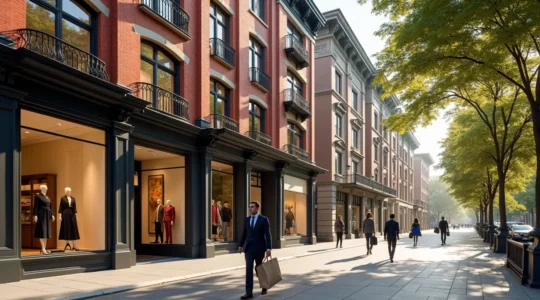
Yorkville Shopping: How to Experience Luxury in Restored Victorian Homes?
Yorkville’s exclusive luxury experience is not just set against a Victorian backdrop; it is fundamentally created by it, offering an intimacy and sense of discovery that modern malls cannot replicate. The district’s high value is driven by “heritage-driven scarcity”—strict preservation…
Read more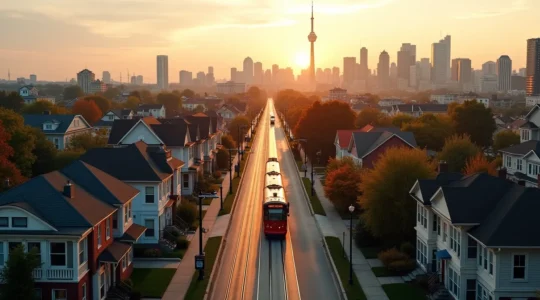
The Ultimate Toronto Vibe Check: A Local’s Guide to Finding Your Perfect Neighborhood
Choosing a Toronto neighborhood is about decoding its “vibe architecture” to find a genuine match for your personality, not just picking a place with good coffee. The city’s East/West divide offers two distinct versions of “cool”: the curated, boutique-filled East…
Read more
Escaping Downtown Noise: How to Find Solitude on the Toronto Islands?
True solitude on the Toronto Islands is an art, not simply a location; it’s achieved through a mindful approach rather than just avoiding crowds. The car-free environment creates a unique soundscape perfect for mental decompression, a quality you can leverage…
Read more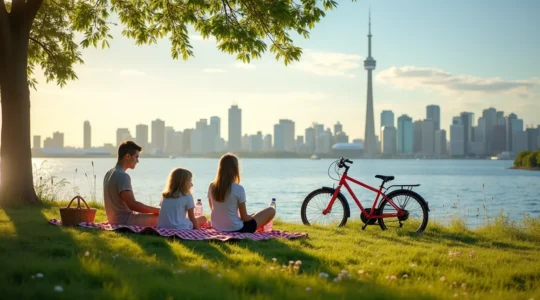
Centre Island Day Trip: How to Maximize Fun for a Family of Four Under $100?
A magical Toronto Islands family day trip for under $100 is entirely possible, but it depends more on smart strategy than simple penny-pinching. The key is avoiding the three biggest budget traps: overpriced food, last-minute transportation, and misunderstanding the value…
Read more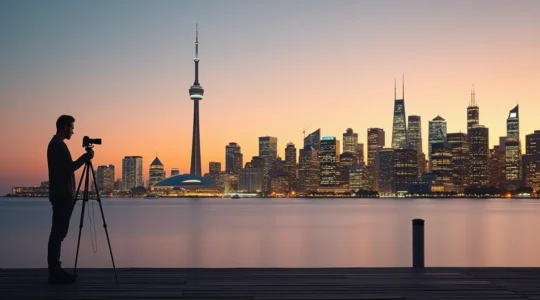
A Location Scout’s Guide to Capturing Toronto’s Iconic Skyline
Capturing a postcard-perfect photo of the Toronto skyline is less about the camera and more about the operational plan. Each viewpoint (Islands, Polson Pier, Riverdale) demands a unique logistical approach for access and timing. Environmental factors like spring fog are…
Read more