Food & Nightlife
Toronto’s culinary and nightlife landscape reflects the city’s remarkable cultural diversity, with over 200 ethnic groups calling this metropolis home. This demographic reality transforms every neighborhood into a distinct food destination, where century-old markets coexist with trendy food halls, and craft breweries share streets with traditional tavernas. For visitors and newcomers alike, navigating this complex ecosystem requires understanding not just where to go, but how each district operates, what unwritten rules govern its spaces, and which practical considerations can make or break your experience.
The relationship between Toronto’s neighborhoods and their food identities runs deeper than simple restaurant clusters. Areas like Kensington Market, the Danforth, and Ossington Avenue have evolved unique cultures around dining and drinking, each with its own rhythm, pricing expectations, and social norms. Meanwhile, the city’s historic markets continue to anchor communities while modern food halls redefine how urban dwellers approach casual dining. This article provides the foundational knowledge needed to confidently explore these diverse environments, from understanding payment expectations to timing your visits for optimal experiences.
Exploring Toronto’s Iconic Neighborhood Food Scenes
Toronto’s food culture clusters around distinct neighborhoods, each offering a different approach to dining, socializing, and cultural expression. These areas didn’t develop by accident—they evolved through decades of immigration patterns, urban development, and community-building. Understanding their individual characteristics helps you choose the right destination for your mood and budget.
Kensington Market’s Authentic and Affordable Eats
Kensington Market operates as Toronto’s most eclectic food neighborhood, where vintage shops, produce stands, and hole-in-the-wall eateries compete for attention on narrow Victorian streets. The area’s strength lies in its authenticity and affordability—you’ll find Jamaican patties for under five dollars beside Tibetan momos, Mexican churros, and Middle Eastern falafel. The market thrives on a cash-forward culture, with many vendors offering discounts for avoiding credit cards or preferring cash entirely to keep prices low.
The practical challenge here involves navigating weekend crowds and understanding the informal queuing system. Popular spots like the outdoor food stalls don’t always have clear line formations, and locals typically respect arrival order through spatial awareness rather than rigid queues. The market rewards those who arrive with small bills, embrace the possibility of standing while eating, and don’t hesitate to ask vendors about unfamiliar dishes—most are passionate about their offerings and happy to explain preparation methods or ingredient origins.
The Danforth’s Greek Heritage and Beyond
Often called Greektown, the Danforth Avenue corridor between Pape and Donlands stations showcases how a neighborhood can honor its heritage while embracing evolution. Yes, traditional tavernas still serve grilled octopus and saganaki with tableside “Opa!” theatrics, but the area has diversified significantly. Ethiopian restaurants, gelato shops, and contemporary bistros now share the street, creating a more complex dining landscape than the souvlaki reputation suggests.
Late-night dining represents one of the Danforth’s strongest appeals, with many establishments serving full menus past midnight—a rarity in Toronto where kitchens often close by 10 PM. The annual Taste of the Danforth festival has raised the area’s profile nationally, but it also means summer weekends see intense pedestrian traffic. Authentic tavernas can be distinguished from tourist-oriented spots by examining their dessert offerings: traditional establishments feature housemade galaktoboureko and kataifi rather than generic tiramisu, and often have Greek-language menus available alongside English versions.
The Junction’s Craft Beer Renaissance
The Junction neighborhood underwent a remarkable transformation from industrial zone to craft brewery hub, with several award-winning producers concentrated within a walkable radius. This area appeals to beer enthusiasts seeking variety beyond mainstream options, with tasting rooms offering everything from traditional lagers to experimental sours aged in wine barrels. Planning a brewery route here requires understanding that most tasting rooms operate Thursday through Sunday only, with peak crowds on Saturday afternoons.
Ontario’s strict alcohol regulations shape the brewery experience significantly. You cannot freely walk between venues with open containers, tasting room staff must monitor consumption responsibly, and taking beer home requires purchasing sealed products from their retail sections. Many breweries have responded by creating comfortable spaces designed for extended stays, offering food trucks or kitchen partnerships to encourage responsible pacing. The culture here skews educational rather than party-oriented, with staff eager to discuss hop varieties, fermentation processes, and flavor profiles.
The Rise of Modern Food Halls Across the City
Toronto has embraced the upscale food hall concept with notable enthusiasm, transforming underutilized spaces into curated collections of food vendors, craft beverage stations, and communal seating. Unlike traditional food courts, these venues emphasize design aesthetics, artisanal preparation methods, and premium ingredients. Locations like Assembly Chef’s Hall and stackt market represent this trend, offering everything from ramen and poke to wood-fired pizza and oyster bars under one roof.
The appeal centers on variety and convenience—groups with divergent tastes can satisfy everyone simultaneously, and solo diners can sample multiple cuisines in one visit. However, this convenience comes with price considerations that catch some visitors off-guard. Expect to pay $15-25 per person for a meal that might cost $10-12 at a standalone casual restaurant. The premium reflects not just the food but the environment, which typically features industrial-chic design, Instagram-worthy aesthetics, and downtown locations with corresponding rent pressures.
The practical challenge involves finding seating during peak hours (12-1 PM weekdays, 6-8 PM evenings). Most food halls operate on a find-your-own-seat model rather than table service, so successful visits often require one person claiming a table while others order. Dietary accommodations shine in these spaces, as the vendor variety virtually guarantees options for vegetarians, vegans, and those avoiding gluten or dairy. Each station operates independently, so don’t hesitate to ask specific questions about ingredients and preparation methods.
Understanding Toronto’s Bar and Nightlife Culture
Toronto’s approach to nightlife reflects its position as Canada’s largest city, where cosmopolitan sophistication meets provincial regulation. The bar scene ranges from craft cocktail lounges to sports pubs, with certain streets developing reputations for specific nightlife experiences. Success in Toronto’s after-dark environment requires understanding both the social rhythms and the legal framework governing alcohol service.
The Ossington Avenue Scene
Ossington Avenue between Queen and Dundas has evolved into Toronto’s trendiest bar corridor, where minimalist cocktail bars, natural wine spots, and intimate music venues attract a style-conscious crowd. The culture here skews toward craft beverages and conversation rather than dancing or loud music, with many venues maintaining a speakeasy-inspired aesthetic that emphasizes mood lighting and carefully curated playlists.
Dress codes on Ossington remain generally casual-smart, though the neighborhood’s reputation means many patrons dress more intentionally than they might for neighborhood pubs elsewhere. Jeans and nice tops work fine, but athletic wear or excessively casual attire might feel out of place depending on the specific venue. Timing matters significantly—arriving before 8 PM often means empty rooms and skeleton staff, while post-10 PM weekend visits guarantee waits for tables at popular spots. The sweet spot typically falls between 8:30-9:30 PM, when venues have energy without overwhelming crowds.
Timing, Dress Codes and Legal Considerations
Ontario’s liquor laws establish clear parameters that shape Toronto’s nightlife. Last call occurs at 2 AM, with establishments required to close by 2:30 AM, and the legal blood alcohol limit for driving sits at 0.05% (lower than the criminal limit of 0.08%), with zero tolerance for drivers under 21. These regulations influence how locals pace their evenings and plan transportation home. The TTC (public transit) runs limited late-night service, so understanding your route before drinking heavily prevents difficult decisions later.
Weekend crushes, particularly Friday and Saturday nights, transform popular venues into exercises in patience. Lines form outside trendy bars not because of capacity restrictions but because establishments maintain specific crowd densities to preserve the desired atmosphere. Choosing to visit on Thursday nights or Sunday evenings often provides 70-80% of the experience with a fraction of the wait. Many Torontonians have adopted this strategy, making Thursday the unofficial “going out night” for those who prioritize comfort over being seen at peak times.
Navigating Historic Markets for Fresh and Local Products
The St. Lawrence Market anchors Toronto’s historic market tradition, operating continuously since the early 19th century in various iterations. The current building houses over 120 vendors selling everything from Ontario cheeses and house-cured meats to fresh fish, baked goods, and international specialties. National Geographic recognized it as the world’s best food market, a designation that increased tourism but also raised awareness among locals about their neighborhood treasure.
The market divides into distinct sections with different operating schedules: the main South Market runs Tuesday through Saturday, the North Market hosts farmers on Saturdays only, and the Sunday Antique Market occupies the North building with vintage goods rather than food. This complexity means many visitors arrive on Sundays expecting fresh produce only to find antique dealers instead. The freshest selection appears Saturday mornings when both buildings operate and farmers bring just-harvested goods.
Moving through weekend crowds requires strategy and patience. The building’s historic architecture creates narrow aisles that bottleneck easily, and popular vendors like Carousel Bakery (famous for peameal bacon sandwiches) generate lines that block pathways. Experienced market-goers arrive before 9 AM to avoid peak congestion, bring reusable bags to reduce waste and facilitate carrying multiple purchases, and understand that most vendors accept cards now, though cash still moves transactions faster during busy periods.
Practical Strategies for Maximizing Your Food Experience
Beyond knowing where to go, successfully navigating Toronto’s food and nightlife scene requires understanding the practical realities that govern daily operations. These considerations might seem minor individually, but collectively they determine whether your experience feels seamless or frustrating.
Managing Queues and Crowd Dynamics
Popular Toronto food destinations generate queues as a matter of course, particularly for trending items or limited-capacity venues. The city’s approach to waiting differs from other major cities in subtle but important ways. Unlike New York where aggressive space-claiming is normalized, Toronto queues expect polite spatial awareness and respect for arrival order. Cutting or unclear positioning typically generates passive-aggressive comments rather than direct confrontation, but the social disapproval is real.
The rise of virtual queues and notification systems has changed the waiting game at certain restaurants, where you can add your name to a list via app and receive a text when your table is ready. This system works well for exploring nearby areas while waiting, but requires having a Canadian phone number or data connection. For visitors, asking hosts whether they offer call-ahead seating or estimated wait times helps plan your evening realistically rather than committing to an unknown wait period.
Payment Culture and Tipping Expectations
Toronto’s payment culture has shifted dramatically toward contactless and card-based transactions, with many establishments now operating cashless entirely. However, this modernization coexists with traditional cash-preferring vendors in markets and ethnic neighborhoods. Carrying $40-60 in mixed bills covers most cash-only scenarios while avoiding the awkwardness of breaking large bills at small vendors.
Tipping expectations follow standard North American patterns: 15-20% for sit-down table service, with 18% increasingly considered the standard baseline for good service. Counter-service establishments, food halls, and cafés now present digital payment terminals with suggested tip amounts (often starting at 15%), but these truly remain optional—tipping is for service, not simply handing you food across a counter. The pressure to tip at point-of-sale terminals has become a minor social controversy, with many Torontonians selecting custom amounts or zero when picking up takeout orders.
Accommodating Dietary Restrictions and Preferences
Toronto’s multicultural population has created an environment where dietary accommodations feel normalized rather than burdensome. Most restaurants, particularly in busy commercial areas, clearly mark vegetarian, vegan, and gluten-free options, and kitchen staff generally understand cross-contamination concerns for serious allergies. However, the level of accommodation varies significantly by establishment type.
Modern food halls and upscale restaurants typically offer the most flexibility, with multiple options for various restrictions and staff trained to discuss ingredients and preparation methods. Traditional ethnic restaurants may have fewer explicitly marked options but often naturally accommodate restrictions—South Indian cuisine offers extensive vegetarian options, Middle Eastern restaurants excel at vegan mezze, and many Asian cuisines can modify dishes upon request. The key involves communicating clearly about whether preferences are allergy-based (requiring strict avoidance) or dietary choices (where cross-contamination is less critical). Toronto’s food culture respects both, but the kitchen’s response will differ accordingly.
Success in Toronto’s diverse food and nightlife landscape ultimately comes from balancing spontaneity with practical awareness. Understanding the cultural contexts, operational rhythms, and unwritten rules of different neighborhoods and venue types allows you to navigate confidently rather than stumbling through trial and error. Whether you’re seeking affordable authenticity in Kensington Market, craft beverages in the Junction, or late-night Greek on the Danforth, the city rewards those who approach each district on its own terms while remaining open to the unexpected discoveries that make urban food exploration genuinely enriching.
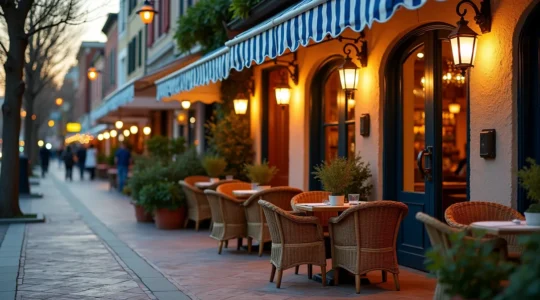
Dining on The Danforth: Experiencing Greek Culture Beyond the Main Strip
Finding authentic Greek culture on Toronto’s Danforth isn’t about locating the busiest souvlaki spot; it’s about learning to read the neighborhood’s subtle cultural cues. True authenticity is revealed in late-night dining rhythms, a tradition brought over from Greece. Locals know…
Read more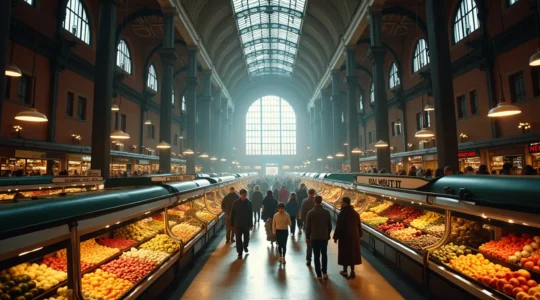
St. Lawrence Market: How to Find the Best Peameal Bacon Sandwich on a Saturday?
In summary: Saturday at St. Lawrence is a mission, not a stroll. Your goal: the iconic peameal bacon sandwich without the tourist-trap delays. Navigate the South Market by sticking to the perimeter first, then diving into the center. Avoid the…
Read more
Toronto Craft Beer Guide: Finding the Ultimate Tasting Flights
In summary: Toronto’s best craft beer experiences are found by exploring distinct “neighborhood terroirs,” not just famous names. The Junction is a must-visit hub, born from the ashes of a century-long prohibition. Planning a crawl involves more than a map;…
Read more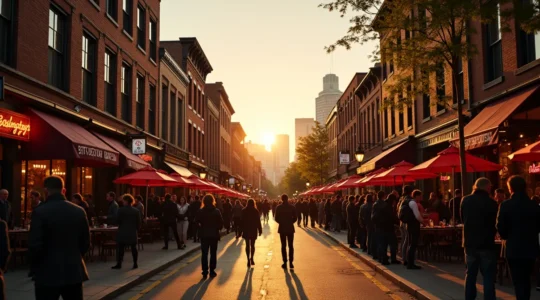
Night Out on Ossington: How to Experience Toronto’s Trendiest Bar Strip?
In summary: The key to a great night on Ossington is mastering its rhythm: arrive before 8 PM to avoid lines, or after 11 PM for the second wave. Dress smart, not sloppy. Think stylish dark denim, clean sneakers, and…
Read more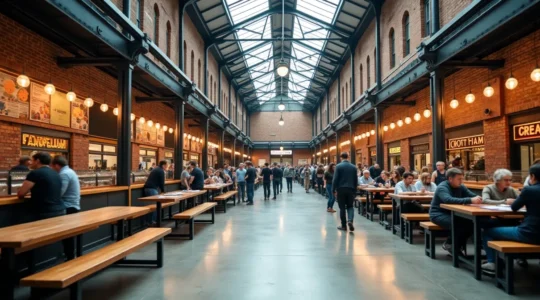
A Food Hunter’s Guide to Toronto’s Food Hall Explosion
Toronto’s food halls offer incredible variety, but their chaotic nature often leads to decision fatigue and budget overruns for groups. The key is to treat them as “culinary ecosystems” that require a logistical plan, not just a destination. Success hinges…
Read more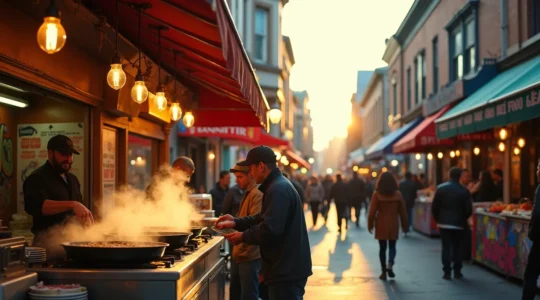
Eating Through Kensington Market: How to Taste Global Cuisines for Under $20?
In summary: Bring cash ($40-$60 in small bills) to support vendors and speed up transactions. Dodge the infamous Seven Lives taco line by visiting on a weekday between 2:30-4:00 PM. Share larger items like arepas and empanadas to sample more…
Read more